
The surge in e-commerce, the realignment of global supply chains, and the strategic geographical positioning of South Florida have turned Doral into the ultimate logistics epicenter of the region. Located in immediate proximity to Miami International Airport and major transit arteries, the industrial parks and distribution hubs in this area operate at a relentless, high-demand pace 24/7.
For a general contractor or a commercial real estate asset manager, ensuring the operational continuity of these massive facilities is a critical priority. Within building engineering, one of the systems most vulnerable to design flaws, accelerated wear, and capacity shortages is the fluid network. Implementing highly specialized industrial plumbing services not only prevents costly downtime but also optimizes long-term asset value.
The hydraulic challenge in modern logistics infrastructure
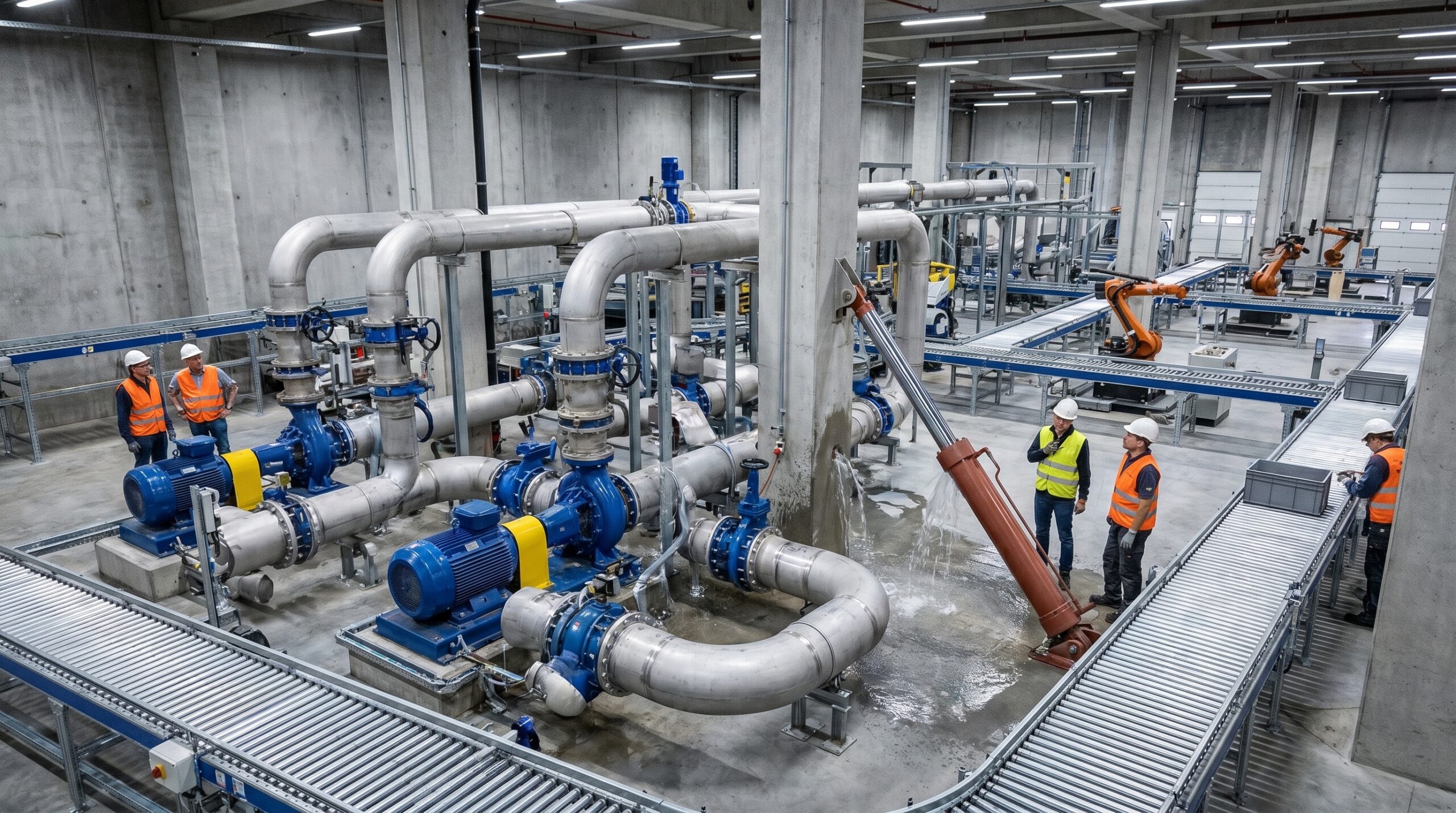
Unlike a conventional office building or a multi-family residential complex, an industrial warehouse or fulfillment center in Doral exhibits unique hydraulic dynamics. These facilities combine vast, high-bay technical storage areas with administrative office zones, high-rotation loading docks, and, frequently, light assembly or processing sectors.
This diverse usage profile means that the commercial plumbing system must be robust and flexible enough to handle fluctuating flow rates, variable hydrostatic pressures, and strict environmental mandates imposed by both Miami-Dade County and state and federal regulations.
1. Flow management and peak demand in personnel zones
Modern logistics centers house hundreds of workers per shift. Water consumption patterns in these facilities are non-linear; they spike sharply during shift changes and scheduled break times. Flawed sizing of the main water supply lines or an incorrect selection of booster pump systems can trigger severe pressure drops, crippling sanitary facilities and maintenance areas—which directly harms operational productivity and workplace satisfaction.
2. Climate resilience for South Florida infrastructure
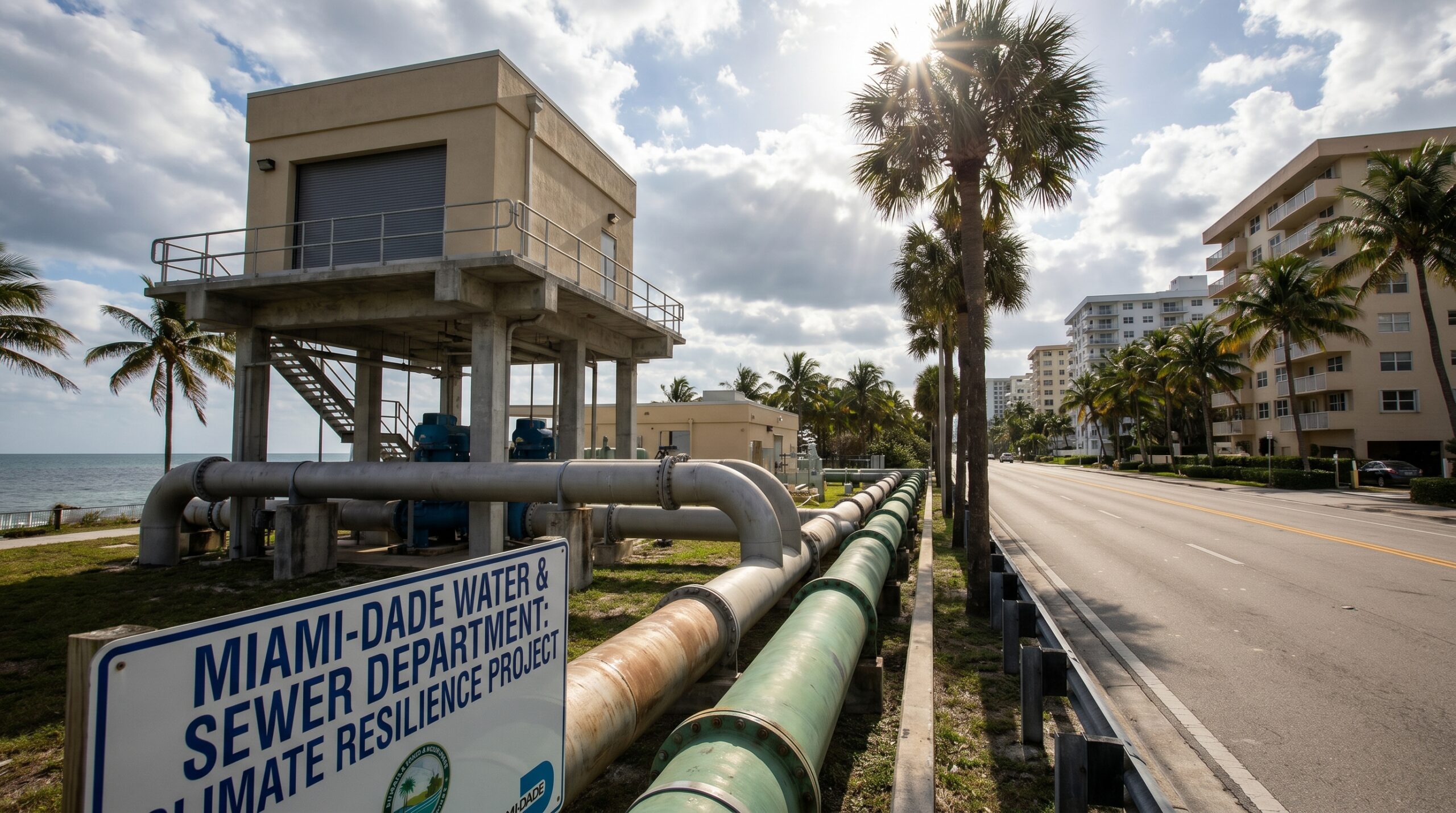
The flat terrain and extremely high water table of South Florida, coupled with the region’s intense rainy seasons, dictate that storm drainage and sanitary systems for warehouses in Doral must be designed for maximum resilience. The vast roof surface areas of logistics centers collect millions of gallons of rainwater that must be swiftly evacuated or managed through siphonic roof drainage designs and sediment traps before entering the municipal grid.
Key optimization areas through industrial plumbing services
For general contractors tasked with building or retrofitting industrial shells, collaborating with an expert commercial hydraulic engineering team is essential. Optimization efforts should target four core areas of the infrastructure:
Advanced piping systems and robust material selection
Relying on conventional materials can compromise the structural integrity of an industrial plant in the medium term. Modern, high-specification hydraulic networks require the integration of advanced engineering polymers like polypropylene random copolymer (PP-R) or stainless steel and copper systems utilizing mechanically pressed joints (press-fit).
These technologies eliminate the need for hot work (open-flame welding) on-site, accelerating installation timelines and eliminating fire hazards. Furthermore, they deliver superior resistance to galvanic and chemical corrosion, which is ideal for storage environments where diverse cargo typologies are handled.
Smart pressure monitoring and early leak detection
An unaddressed leak in a sub-slab water line buried beneath an 8-inch, high-strength industrial concrete floor can destabilize the subgrade, destroy high-value inventory, and generate astronomical utility bills. Integrating telemetry systems and ultrasonic flow sensors allows for real-time monitoring.
These commercial-grade devices automatically isolate the affected pipe sections during a pressure anomaly, sending instant alerts to the plant’s facility management teams.
Redundancy and efficiency in potable booster pump systems
Multifunctional logistics facilities in Doral cannot afford a single minute of water supply interruption. Designing systems with Variable Frequency Drives (VFD) and pumps in duplex or triplex configurations ensures that water pressure remains constant regardless of instantaneous demand.
This redundancy guarantees that if a pump requires corrective or preventive maintenance, the remaining units absorb the operational load without degrading system performance.

Regulatory compliance and risk mitigation in Miami-Dade
The corporate ecosystem in Doral operates within a stringent regulatory framework. The construction and upkeep of commercial and industrial plumbing infrastructure must strictly align with the Florida Building Code (Plumbing) and the guidelines of the Miami-Dade Department of Regulatory and Economic Resources (RER).
- Backflow prevention: Industrial warehouses handling chemical processes, fleet washing, or heavy-duty fire sprinkler systems pose a potential risk of cross-contamination to the municipal potable water supply. Facilities must feature reduced pressure principle (RPZ) backflow prevention assemblies that are certified, tested, and registered annually with local authorities.
- Grease and hydrocarbon separators: For hubs that feature forklift maintenance shops, truck bays, or industrial cafeterias for personnel, installing grease interceptors and oil-water separators is mandatory. Correct system design avoids heavy financial penalties and prevents municipal sewer main blockages.
The financial impact of value engineering in commercial plumbing
For construction firms and general contractors, plumbing is often evaluated solely through the lens of cost per linear foot installed. However, applying value engineering during the pre-construction phase transforms this trade from a cost center into a profitability driver.
By coordinating hydraulic designs through three-dimensional Building Information Modeling (BIM), spatial clashes with HVAC ductwork, electrical trays, and structural steel are resolved long before crews arrive on-site. This mitigates field-issued change orders, reduces technical material waste, and guarantees that delivery deadlines promised to future logistics tenants are met with mathematical precision.
Technical note for Project Managers: Prefabricating sanitary waste manifolds and commercial bathroom batteries in off-site, certified preconstruction shops cuts field installation timelines by up to 40%. This optimizes job site logistics, decreases subcontractor crowding, and improves safety metrics under OSHA standards.
Driving sustainable logistics in South Florida
Optimizing hydraulic infrastructure goes beyond avoiding mechanical failures; it is a core component of corporate sustainability strategies and LEED rating systems. Installing ultra-low-flow commercial fixtures, infrared sensor-operated flush valves, and capturing HVAC condensate from massive industrial air handlers to supply cooling towers or landscape irrigation dramatically slashes the facility’s water footprint.
In a highly competitive real estate market like Doral, multinational corporations seeking footprint expansion prioritize buildings that demonstrate energy and operational efficiency. Designing and maintaining hydraulic systems to world-class industrial standards is the definitive strategy to secure higher occupancy rates and ensure the steady asset appreciation of commercial logistics property in South Florida.